
Cervical Cancer Mentorship Sessions

Bridging The Competency Gap
By Nick Maosa, Research Coordinator
Although preventable, cervical cancer remains the leading cause of cancer-related deaths among women in Sub-Saharan Africa, with East Africa recording the highest incidence. In Kenya, it accounts for more than 80% of all reproductive tract cancers, a sobering reality that underscores the urgency of improving screening and care.
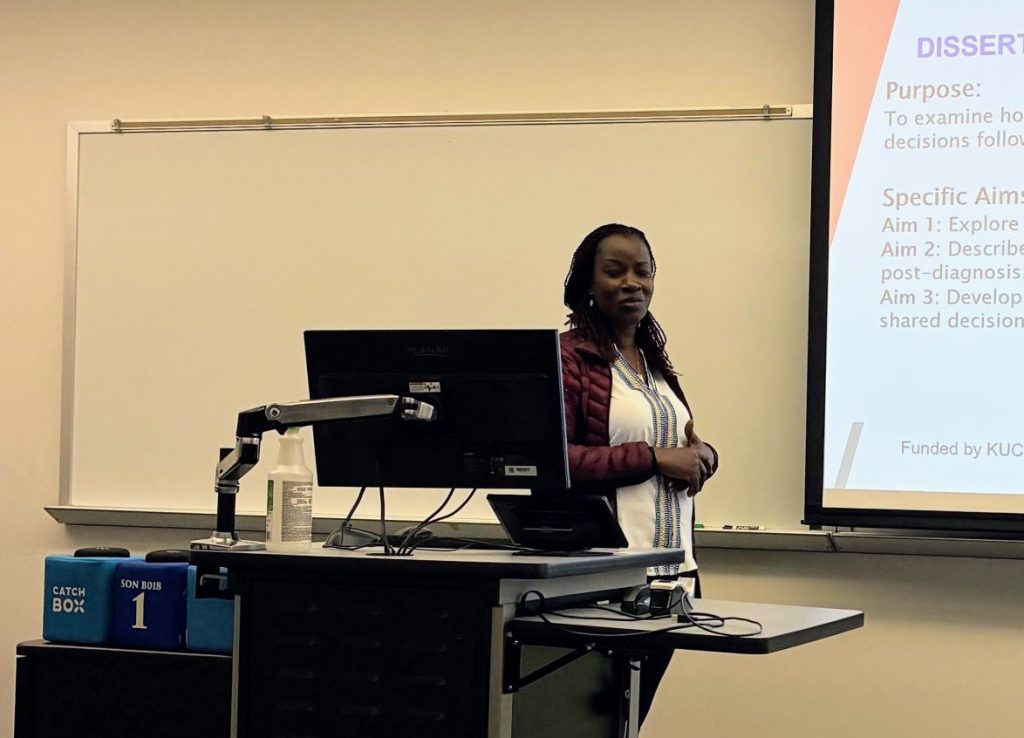
Through ongoing research using the Cancer Tracking System (CATSystem), early data revealed a critical gap: misinterpretation of screening results following Visual Inspection with Acetic Acid (VIA). This emerged from data analysis, site visits, and focus group discussions, with some facilities reporting unusually high numbers of abnormal results later contradicted by referral rescreening and biopsies.
In response, GHI convened reproductive health experts and county leaders to co- design an 8-week virtual mentorship program, led by Dr. Gregory Ganda (Gynae- Oncologist) and Dr. Jane Rose Ambuchi (Obstetrician/Gynaecologist).
The program attracted broad participation across cadres and covered essential topics, including cervical anatomy, HPV pathogenesis, VIA/VILI simulation, colposcopy basics, communication in pre-cancer care, and updated national screening guidelines.
While the sessions significantly improved provider confidence, participants strongly recommended follow-up practical, hands- on training to cement theoretical knowledge. Achieving this next phase will require mobilization of resources to support onsite mentorship and simulation-based learning.
Strengthening provider competencies remains central to reducing preventable deaths and ensuring accurate, timely cervical cancer screening for women across Kenya and the region.
You may also like these